
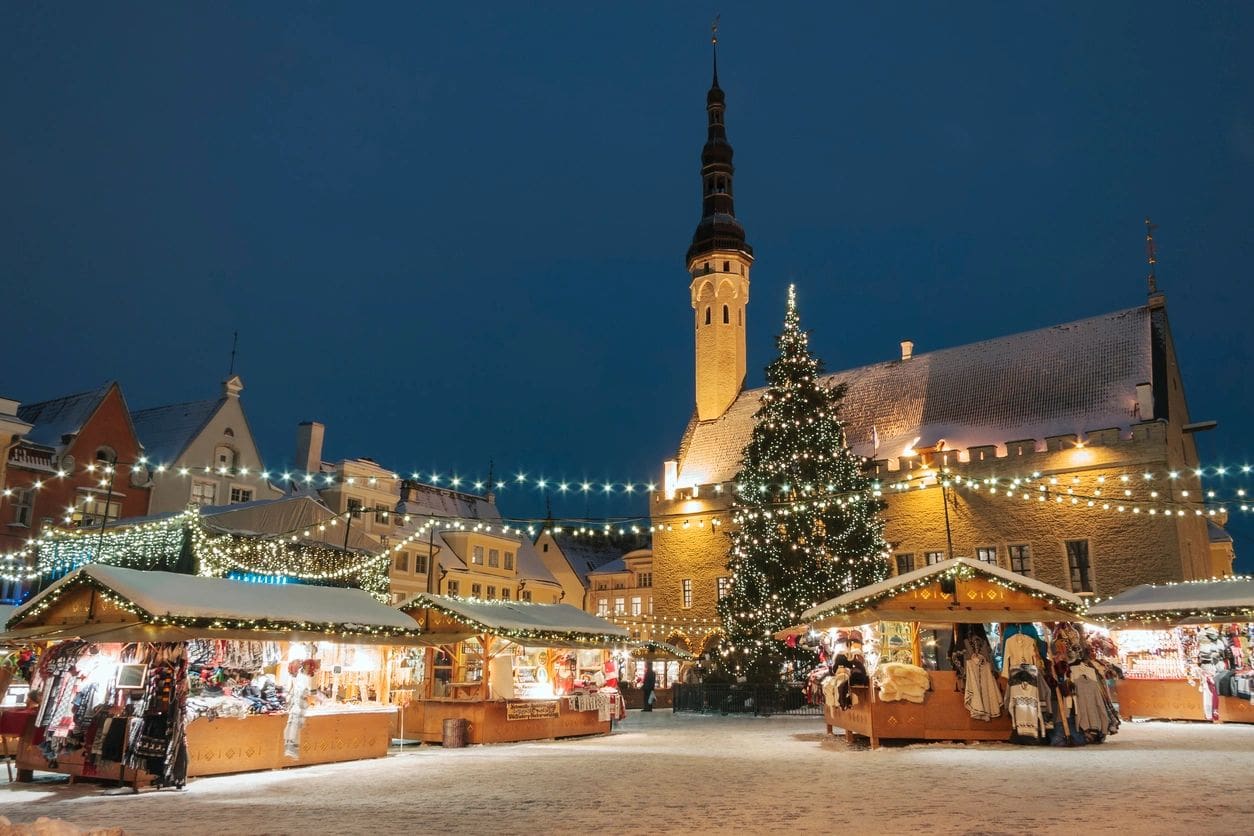
The History of the Christmas Tree and How Queen Victoria and Prince Albert Influenced our Modern Traditions
The Christmas tree, a staple of festive décor, carries a rich history that blends ancient customs with evolving cultural practices. Though the tradition is often associated with modern celebrations, its roots can be traced back to various ancient civilizations that revered evergreen plants for their resilience and beauty during winter.
Origins and Early Traditions
The custom of decorating with greenery dates back to ancient times. The Egyptians honored the sun god Ra by bringing green palm leaves into their homes during the winter solstice. Similarly, ancient Romans celebrated Saturnalia, a festival honoring the god Saturn, with evergreen decorations. In Germany, where many believe the Christmas tree tradition began, the first reference to a decorated tree dates back to the 16th century. Families would place a tree in their home, adorning it with candles, fruits, and nuts to symbolize life amidst the cold of winter.
The use of evergreen trees as a Christmas symbol became more widespread in the 19th century. Initially, they were often placed outdoors, but as the tradition gained popularity, families began bringing them indoors, marking the start of what we know today as the Christmas tree.
Queen Victoria’s Impact
The modern image of the Christmas tree was significantly shaped by Queen Victoria and her German husband, Prince Albert. Although the royal family did not invent the custom, they played an essential role in popularizing it in Britain and, by extension, the rest of the world.
In 1841, Prince Albert introduced the Christmas tree to the British royal household, inspired by his own childhood traditions in Germany. Queen Victoria, eager to embrace her husband’s culture, decided to showcase this fascinating new ritual to the public. The couple was famously illustrated in a widely circulated drawing of them surrounded by their children around a beautifully decorated tree, which spurred immense interest among the British public.
This illustration became emblematic of the Victorian family ideal and quickly popularized the Christmas tree across the UK. Families began to replicate the royal celebration, bringing trees into their homes, decorating them with homemade ornaments, and lighting them with candles—a practice that beautifully captured the spirit of Christmas.
The Spread of Christmas Tree Traditions
As Queen Victoria’s influence spread, the Christmas tree tradition made its way to America in the 19th century. German immigrants brought their customs with them, and soon, the practice of decorating trees became a cherished part of American holiday traditions. By the late 1800s, Christmas trees adorned with glass baubles and electric lights became widely popular, transforming how people celebrated the festive season.
Today, ornaments, tinsel, and lights adorn Christmas trees globally, influenced by the Victorian style. The widespread tradition of using both real and artificial trees reflects the balance between classic practices and modern conveniences.
Conclusion
The Christmas tree, with its enduring symbolism of hope and renewal, has undergone a fascinating evolution throughout history. Queen Victoria and Prince Albert’s royal endorsement elevated the once-simple tradition into a widespread familial celebration shaped by love, connection, and joy. As we gather around our decorated trees each holiday season, we honor centuries of tradition that bind us together, keeping alive the spirit of generosity and togetherness that the Christmas tree represents.
